top of page
Logo

The Propagate Fintech Podcast

Real Conversations with the People Shaping

Modern Finance.

We make financial marketing feel less like a lecture and more like a conversation worth having.

Crown spray pain
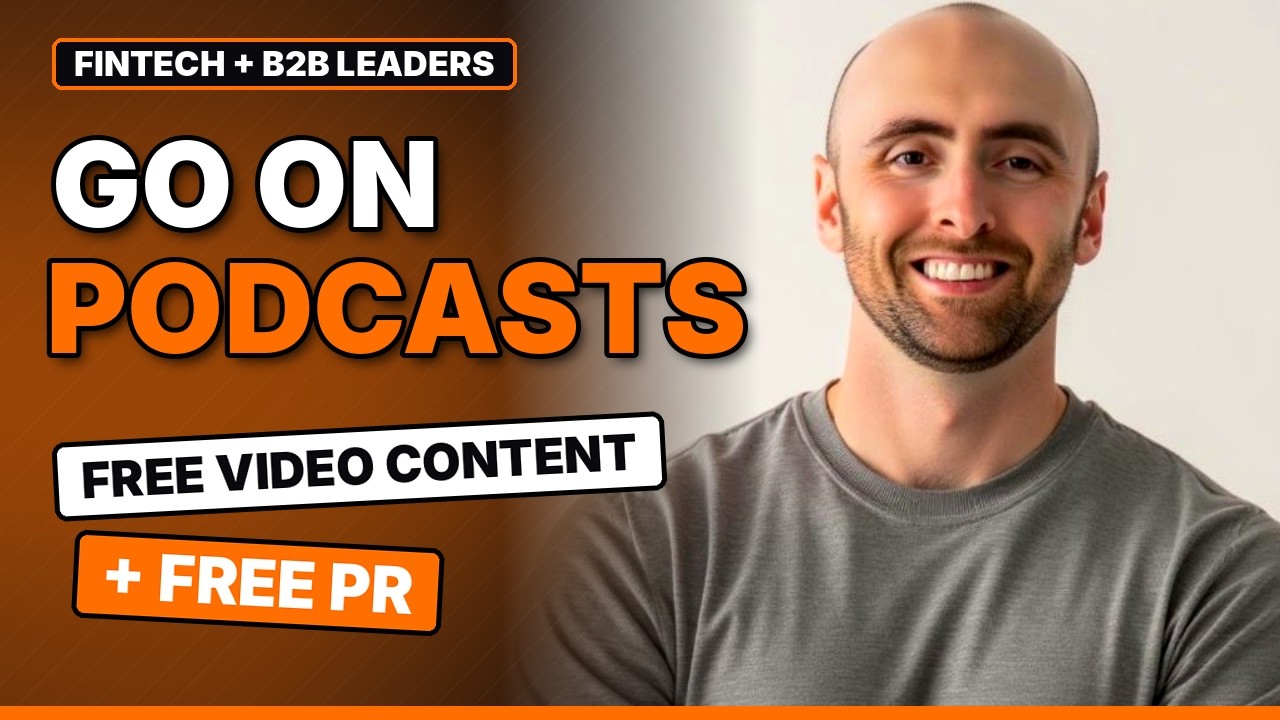
The Cheapest PR Strategy in Fintech (Most People Skip It)
08:02

The Cheapest PR Strategy in Fintech (Most People Skip It)

If a prospect asked ChatGPT who the smartest people in fintech are, would your CEO’s name come up? For most fintech companies, the honest answer is no. In this solo episode of The Propagate Fintech Podcast, Roland Howard explains why B2B fintech executives should be guests on podcasts. AI tools now shape buyer shortlists, and podcasts put you in front of senior decision makers who will give you 40 minutes of their attention. One interview can also turn into 15 to 20 pieces of content. You don’t need to start your own show. You need a point of view, a plan and a few good bookings. In this episode: Why 94% of B2B buyers now use AI tools during the buying process (6sense 2025 Buyer Experience Report) Who listens to podcasts, and why it matters that 83% of senior executives who listen tuned in within the past week (Signal Hill Insights) How one 40-minute interview becomes clips, LinkedIn posts, quote graphics, a blog and a newsletter feature Why your personal brand is career insurance through mergers, layoffs and job changes How transcripts help you show up in AI answers (AEO and GEO) The crawl, walk, run approach to booking shows How to pitch a point of view instead of a bio How to get compliance on board early Why you should never sell on someone else’s mic Chapters: 0:00 Would ChatGPT recommend your CEO? 1:00 How buyers find vendors now 3:00 Who listens to podcasts 4:30 The content cheat code for busy execs 5:30 One interview, 15 to 20 assets 6:30 Personal brand as career insurance 9:30 AEO, GEO and why transcripts matter 11:30 Crawl, walk, run: how many shows to book 12:30 Pitch a point of view, not a bio 13:45 Getting compliance on board 14:30 Don’t sell on the mic 15:00 Wrap-up Resources mentioned: 6sense 2025 Buyer Experience Report Edison Research, The Infinite Dial 2026 Signal Hill Insights research on senior executive podcast listeners Forrester research on how buyers use AI Want to get your executives booked on the right fintech podcasts? Grab time with Roland here: https://www.propagatefintech.com/podcast Learn more about Propagate Fintech: https://www.propagatefintech.com Subscribe for more conversations on fintech marketing, PR and thought leadership. #Fintech #B2BMarketing #ThoughtLeadership #PodcastMarketing #ExecutiveBranding #AEO #GEO #FintechMarketing #Banking #CreditUnions
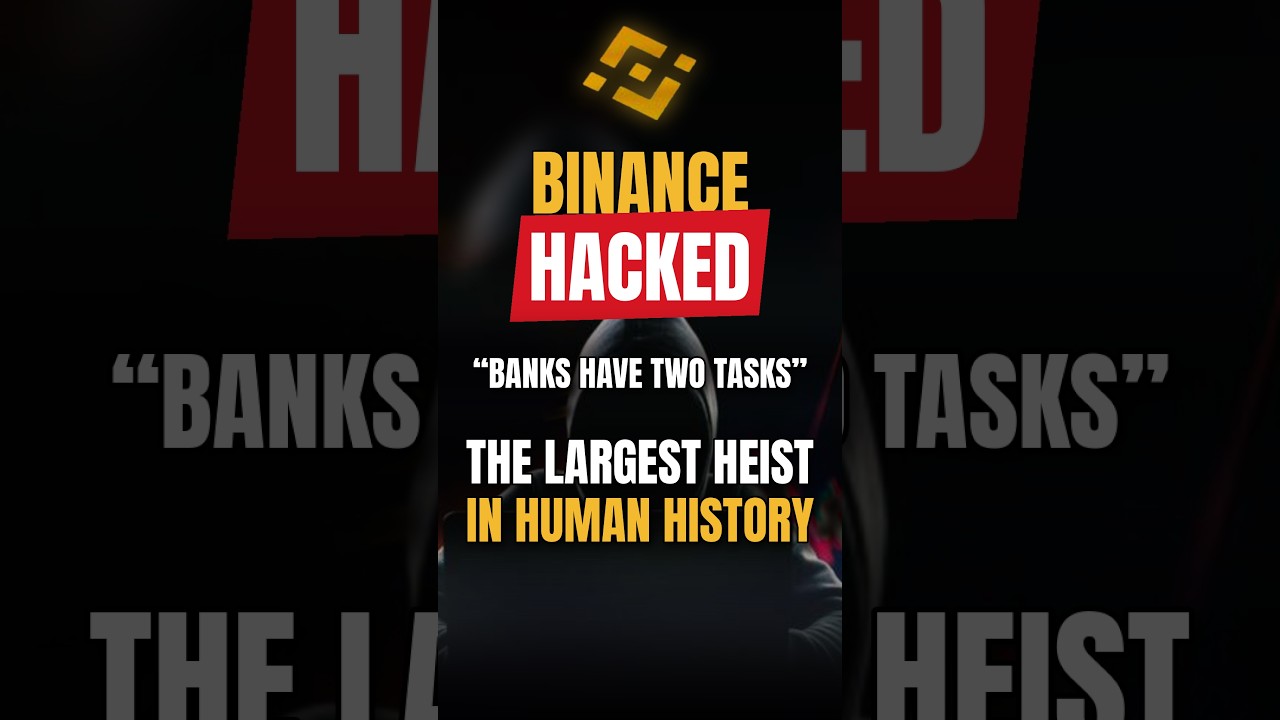
Are humans are the problem in banking? #fintech #banking #cybersecurity
00:39

Are humans are the problem in banking? #fintech #banking #cybersecurity

Every company says its people are its greatest asset 🙃 The Binance attack proved once again that they're also its biggest vulnerability. So how much access should any one person have to the flow of funds? Stories like this make death by committee and layers of approval we complain about in banking feel a lot less annoying. Carter Pape of American Banker and I dig into it on the latest episode of the Propagate Fintech Podcast.
Why Banks Need A Freeze Policy Before The Next Stablecoin Hack #Stablecoins #Banking
00:54

Why Banks Need A Freeze Policy Before The Next Stablecoin Hack #Stablecoins #Banking

$6.3 billion stolen. The largest heist in human history. Should banks have a plan to freeze funds before the next stablecoin hack happens? On the Propagate Fintech Podcast, American Banker’s Carter Pape breaks down three lessons banks should take from the Binance attack: 1️⃣ Decide your freeze policy now. Circle was in a position to stop the stolen funds, so it had to decide whether to act. Carter’s advice is to write your policy down, make it public, and set it in stone before you ever need it. 2️⃣ Speed is a capability. Circle froze the funds in less than 30 minutes, and plenty of consumers see that as a strength of the stablecoin. 3️⃣ The breach came from human error, not a technical vulnerability. Banks issuing stablecoins need to secure them the same way they secure their core.
Who Pays When $6.3 Billion Gets Stolen?
27:12

Who Pays When $6.3 Billion Gets Stolen?

$6.3 stolen from Binance across ten blockchains. Elliptic called it almost certainly the largest known theft of any kind. Carter Pape, who covers cybersecurity and financial crime for American Banker, joins Roland to break down what happened and what it means for banks. We get into how Circle froze more than $1.1 billion in stolen USDC in under 30 minutes with no law requiring it, why the GENIUS Act tells issuers they must be able to freeze funds but not when to use that power, and why the breach came down to a fake HR rep, not a technical flaw. We also cover the $3.2 billion still sitting in wallets tied to North Korea, the OCC trust charters for Circle and Coinbase that the ICBA is suing over, and Carter's advice for any bank thinking about issuing a stablecoin: your freeze policy is a product feature and a liability, so write it down and be ready to defend it. Chapters • 00:00 The scale of the $6.3 billion Binance heist • 01:53 Will reimbursing customers become the norm? • 02:49 How Circle froze stolen USDC in under 30 minutes • 04:52 Are stablecoins FDIC insured? What the GENIUS Act says about reserves • 06:43 Does a bank issuer have a duty to freeze stolen funds? • 08:49 The FBI calls, but there's no court order. Now what? • 09:55 Where the GENIUS Act falls short on hacks • 10:56 Is new legislation coming? • 11:56 Lessons for banks exploring stablecoins • 14:00 How the hackers got in: impersonating HR • 15:14 Circle and Coinbase trust charters and the ICBA lawsuit • 16:14 Chasing the $3.2 billion tied to North Korea • 18:02 How blockchain tracing works and how mixers break it • 19:23 Does crypto need a central administrator? • 20:33 The rules still unwritten in the GENIUS Act • 22:10 Why the hack barely moved crypto prices • 23:32 The one takeaway for bankers • 24:33 What Carter is watching next • 25:32 Where to follow Carter Key Takeaways • Your freeze policy is a product feature and a liability. Decide now when you'll press the freeze button, write it down, make it public and be ready to defend it to customers and regulators. • Speed is a capability. Circle froze funds in under 30 minutes, and many consumers will see that as a strength of the stablecoin. • The breach was human. Attackers impersonated Binance HR to manipulate an employee into granting access. Secure your stablecoin operation like you secure your core. • The GENIUS Act leaves big holes. It requires issuers to act on lawful orders and keep the ability to freeze, but it doesn't say when to freeze without a court order or what issuers owe holders after a hack. There's no safe harbor for preemptive freezes yet. • Stablecoins are not FDIC insured. Under the GENIUS Act, holders get first claim on the reserves backing the coin if an issuer fails. • Most of the stolen money is still out there. About $3.2 billion sits in addresses tied to North Korea, mostly Bitcoin, which nobody can freeze. The best defense is cutting it off where crypto meets fiat. About Carter Pape Carter Pape covers cybersecurity and financial crime for American Banker. In his words: anything that bleeds leads, and he writes everything that bleeds. Links and Resources • Follow Carter's reporting: americanbanker.com (https://www.americanbanker.com) • Elliptic, the blockchain analytics firm cited on theft size and cash-out tracking • The GENIUS Act, the federal stablecoin framework taking effect January 18 Connect with Propagate Fintech • Website (https://www.propagatefintech.com) • LinkedIn (https://www.linkedin.com/company/propagatefintech) • Spotify (https://open.spotify.com/show/6uQG5hQufhHLVDilxuXUuq) • Apple Podcasts (https://podcasts.apple.com/us/podcast/propagate-fintech-podcast/id1874648654) Want to work with Propagate Fintech? Fill out a contact form at www.propagatefintech.com

Conversations with the leaders, founders, and innovators shaping the future of finance.

WATCH The Show

LISTEN In

Explore past conversations with fintech founders, operators, investors, and industry experts. Each episode dives deep into real-world lessons, hard-won insights, and the strategies shaping the future of financial technology.

Want to Be a
Guest on the Podcast?

We’re always looking to feature thoughtful founders, operators, and investors who are building meaningful solutions in fintech. If you have a story, insight, or perspective worth sharing, we’d love to hear from you.

Greek graphic

Listen Anywhere You Get Your Podcasts

Spotify
Podcasts_(iOS).svg.png
Youtube.png

Stay in the Loop

Get notified when new episodes drop, plus receive curated insights from across the fintech landscape—delivered straight to your inbox.

bottom of page